
Why Leasing IPv4 Is Still Essential in 2026
Even in 2026, IPv4 addresses remain the backbone of global internet infrastructure. Despite the growth of IPv6, demand for IPv4 continues to rise due to legacy systems, compatibility requirements, and global network expansion. As a result, many organizations now prefer to lease IPv4 instead of purchasing it outright.
Leasing offers flexibility, lower upfront costs, and faster deployment—making it a smart choice for ISPs, hosting providers, cloud platforms, and enterprises scaling their networks.
What Does It Mean to Lease IPv4?
To lease IPv4 addresses means temporarily renting public IPv4 space from a trusted provider for a fixed period. Instead of investing heavily in ownership, businesses gain immediate access to usable IP resources without long-term commitment.
An IPv4 lease typically includes:
- Clean, routable IPv4 space
- Proper documentation and compliance
- Flexible lease terms
- Technical support
This approach is especially useful for companies with fluctuating IP requirements.
Benefits of Leasing IPv4 Addresses
Cost Efficiency
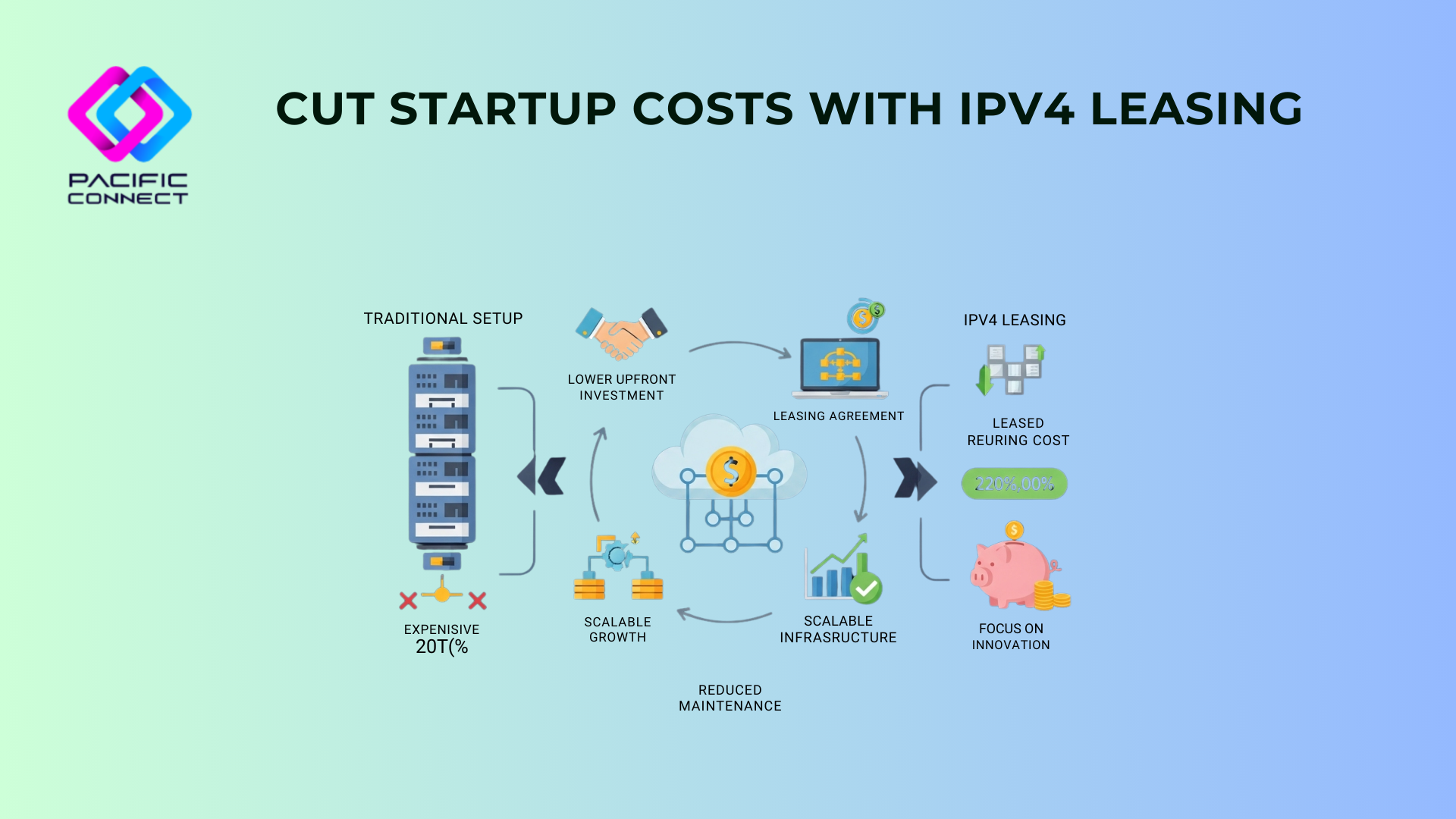
Buying IPv4 blocks in 2026 can be expensive. Leasing allows businesses to manage budgets better while still meeting operational needs.
Scalability
You can easily scale up or down by adjusting the lease size, whether you need a few IPs or a larger range.
Faster Deployment
Leased IPv4 addresses are usually available quickly, helping businesses deploy services without delays.
Lease IPv4 Subnet for Network Optimization
When you lease an IPv4 subnet, you receive a structured range of IPs (such as /29, /28, or /24) that fits seamlessly into your network architecture. Subnets are ideal for:
- Data centers
- VPN services
- Load balancing
- Regional deployments
Leasing a subnet simplifies routing and management while ensuring operational efficiency.
Lease IPv4 Block for Large-Scale Operations
For larger networks, it makes sense to lease an IPv4 block. Blocks like /24 or larger provide enough IP space for ISPs, SaaS platforms, and cloud service providers.
Leasing a block ensures:
- Consistent IP reputation
- Better traffic handling
- Simplified IP management
In 2026, leasing blocks remains one of the most practical solutions for high-demand environments.
How to Lease IPv4 in 2026
Wondering how to lease IPv4 efficiently? The process is straightforward:
- Identify your IP requirements (subnet or block)
- Choose a reputable IPv4 leasing provide
- Verify compliance and documentation
- Sign the lease agreement
- Deploy the IPv4 lease into your network
A reliable provider will guide you through each step, ensuring smooth onboarding.
Security and Compliance in IPv4 Leasing
Security is a top priority when you lease IPv4 addresses. Reputable providers ensure:
- Clean IP history
- RIR compliance (RIPE, ARIN, APNIC)
- Proper routing authorization
This reduces risks such as blacklisting and ensures uninterrupted network performance.
IPv4 Lease vs Buying – What’s Better in 2026?
While ownership offers long-term control, an IPv4 lease provides flexibility and reduced risk. Leasing is ideal if:
- You want lower capital investment
- Your IP needs are temporary or variable
- You prefer faster access
For many businesses in 2026, leasing is the smarter and more agile option.
Who Should Lease IPv4 Addresses?
Leasing is perfect for:
- ISPs expanding coverage
- Hosting and cloud providers
- VPN and SaaS platforms
- Enterprises running legacy systems
If your infrastructure still relies heavily on IPv4, leasing ensures continuity without overspending.
Future of IPv4 Leasing Beyond 2026
As IPv4 scarcity continues, leasing markets are expected to grow. Businesses that adopt flexible IP strategies today will stay ahead tomorrow. Leasing ensures access, stability, and adaptability in a changing digital landscape.
Conclusion
Leasing IPv4 in 2026 remains a secure, flexible, and cost-effective solution for modern networks. Whether you need to lease IPv4 addresses, a lease IPv4 subnet, or a larger lease IPv4 block, leasing allows you to scale efficiently without long-term risk.
Understanding how to lease IPv4 and choosing the right partner ensures clean IP space, compliance, and uninterrupted performance. In a world where connectivity drives success, IPv4 leasing continues to be a smart strategic move
FAQs
Leasing IPv4 means renting public IPv4 addresses for a fixed time instead of purchasing them permanently.
Yes, as long as the provider follows RIR policies and proper documentation standards.
Yes, you can lease anything from a small subnet to a large IPv4 block depending on your needs.
Lease durations vary and can range from a few months to multiple years.
For many businesses, leasing is better due to flexibility, lower cost, and faster deployment.